Window Installation Innovations 2026
The window industry is experiencing a remarkable transformation in 2026, bringing together cutting-edge technology, superior energy efficiency, and enhanced home security like never before. Whether you're planning a complete home renovation or simply upgrading your existing windows, understanding these innovations can help you make smarter choices that will benefit your home for years to come.
The Rise of Smart Glass Technology
One of the most exciting developments in window technology is smart glass systems that give homeowners unprecedented control over their living environment. These aren't the windows your parents installed—they're intelligent systems that respond to your needs throughout the day.
Smart windows now feature dynamic tinting technology that allows you to adjust the amount of light passing through the glass with just a tap on your smartphone. When the afternoon sun beats down on your living room, you can darken the windows to reduce heat and glare without closing blinds or curtains. This technology sends an electrical charge through liquid crystals that darken or lighten on demand, giving you complete control over your home's natural lighting.
What makes this particularly impressive is how self-powered smart windows are now hitting the market. Korean engineers have designed windows that can power themselves thanks to a special liquid built right into the glass. This means no wiring, no external power source, and no complicated installation—just pure innovation that can reduce building energy use by up to 40 percent while operating with zero indirect emissions.
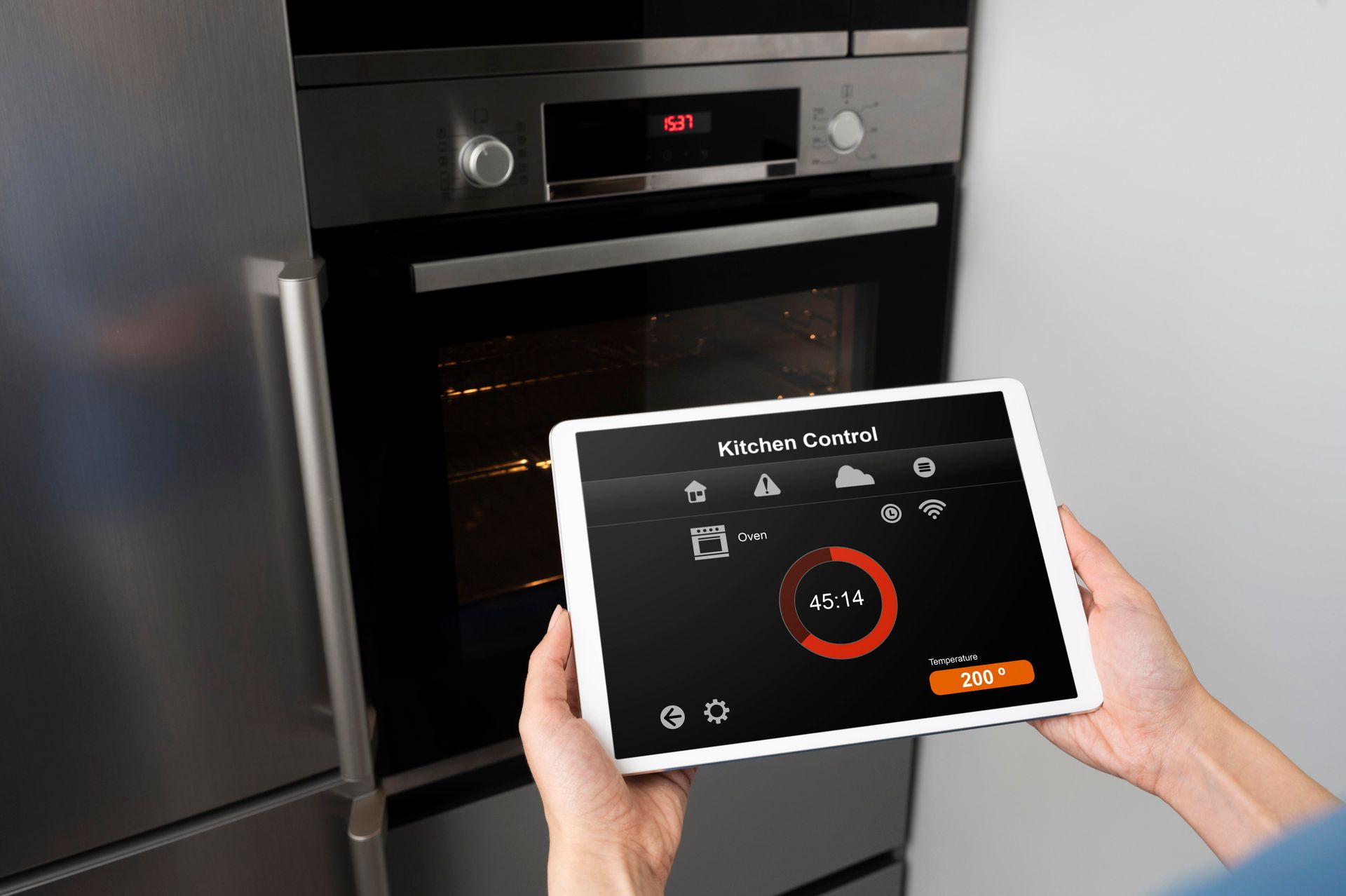
These smart windows integrate seamlessly with home automation systems, allowing them to work in harmony with your thermostats, security systems, and lighting. Imagine windows that automatically adjust when you leave for work, creating the appearance of an occupied home to deter potential intruders, or windows that clear up when you arrive home to welcome you with natural light.
Triple-Glazed Windows and Advanced Insulation
Energy efficiency continues to be a top priority for homeowners, and the window industry has responded with remarkable advances in insulation technology. Triple-glazed windows have become increasingly popular in 2026, offering three layers of glass with inert gas fills like argon or krypton between each pane.
These windows provide exceptional thermal insulation that keeps your home comfortable year-round while significantly reducing your energy bills. According to ENERGY STAR data, installing certified energy-efficient windows can reduce heating and cooling costs by an average of 13 percent nationwide compared to non-certified products. That's real money back in your pocket every single month.
It’s not just the layers of glass that make these windows perform well — it’s the newer spacers between the panes. They don’t carry heat the way old aluminum ones did, so your windows stay efficient, and the seals hold up longer.
Frame materials have also evolved dramatically. Fiberglass frames have emerged as one of the most energy-efficient options available today because they expand and contract at the same rate as glass. This property reduces air leakage and heat transfer more effectively than any other frame material. Multi-chambered vinyl frames offer similar benefits, resisting warping, moisture damage, and UV exposure while creating airtight seals through fusion-welded corners.
Low-E Glass Coatings That Actually Work
Low-emissivity glass coatings have been around for years, but 2026 has brought significant improvements in how well they perform. These ultra-thin metallic coatings are applied to window glass to reduce heat transfer while still allowing natural light to flood your home.
What's impressive about modern Low-E glass is how it can be customized for your specific climate. In warmer regions, Low-E coatings reflect heat away from your home during the summer, keeping interiors cooler and reducing air conditioning costs. In colder climates, these coatings reflect heat into your home during winter, maintaining warmth and lowering heating expenses.
Beyond temperature control, Low-E glass blocks an incredible amount of harmful ultraviolet rays that fade your furniture, damage flooring, and harm window treatments. This protection preserves your investment in your home's interior while creating a healthier living environment for your family.
Enhanced Security Features for Peace of Mind
Security has become a central concern for homeowners, and window manufacturers have responded with innovations that go far beyond basic locks. Modern windows now incorporate multiple layers of protection designed to keep your family and belongings safe.
Impact‑resistant windows have come a long way, especially for homes in storm‑prone or high‑security areas. They use laminated glass with a tough plastic layer between two panes. If the glass cracks, that inner layer keeps everything in place, stopping shards from flying and helping prevent break‑ins.
The testing standards for these windows are rigorous. Manufacturers launch a nine-pound piece of lumber at 50 feet per second—roughly 35 miles per hour—directly at the window. After the impact test, the window must then withstand thousands of cycles of positive and negative pressure to simulate hurricane-force winds. Windows that pass these tests can deter hammers, axes, and other tools that burglars might use to break in.
Smart security features have also become standard in many new window installations. Door and window sensors can now detect when a window is opened and send instant notifications to your smartphone. Some advanced systems use biometric access, multi-factor authentication, and real-time alerts if tampering is detected, bringing commercial-grade security to residential applications.
Hurricane-Resistant Windows for Extreme Weather Protection
For homeowners in coastal regions or areas prone to severe storms, hurricane-resistant windows have become essential rather than optional. These specialized windows are engineered to withstand extreme conditions that would destroy standard windows in seconds.
Hurricane‑rated windows use multiple layers of laminated glass set in extra‑strong frames. Their design pressure (DP) rating shows how much wind force they can safely handle. For example, a DP‑40 window is built for strong winds—typically in the 120–130 mph range.
What's particularly valuable about these windows is that they eliminate the need for storm shutters or plywood boards. When a hurricane approaches, you simply close and lock your windows—no scrambling to install protective coverings, no storing bulky shutters in your garage year-round. The windows provide continuous protection while maintaining your home's aesthetic appeal.
Beyond storm protection, these windows deliver impressive everyday benefits. The same multi‑layer design that protects against flying debris also helps reduce outside noise, offering noticeably better sound insulation than standard windows. Many homeowners report drastically quieter homes after installation, making them ideal for properties near busy roads or airports.
Photovoltaic Solar Windows
Perhaps the most futuristic innovation in window technology is photovoltaic glazing—windows that actually generate electricity. These solar windows feature photovoltaic cells embedded within the glass that harness sunlight and convert it into usable power for your home.
What makes this technology remarkable is that the windows maintain their transparency while generating electricity. You don't sacrifice views or natural light to produce power. As sunlight hits the window throughout the day, the embedded cells quietly convert that energy into electricity that can offset your home's power consumption and reduce reliance on the electrical grid.
While solar windows currently represent a higher upfront investment than traditional windows, they offer long-term value through reduced energy costs and increased home value. As the technology becomes more widespread and manufacturing costs decrease, solar windows are expected to become increasingly accessible to average homeowners.
Precision Installation Techniques
Even the most advanced windows won't perform properly if they're not installed correctly. The window installation industry has developed new techniques and standards in 2026 that emphasize precision, customization, and long-term durability.
Professional installation now ensures airtight seals that prevent air leakage and thermal bridging—two common issues that can undermine even the best windows' performance. Installers use advanced materials like structural foam spacers and multi-layer weatherstripping to create barriers against drafts and energy loss. The difference between a good window installation and a great one often comes down to these careful preparation steps that most homeowners never see.
Proper installation also includes insulating around frames with expanding foam or specialized caulk to eliminate gaps where air could leak. For older homes, full-frame replacement is typically recommended over insert replacement because it provides better energy efficiency by addressing the entire window opening rather than just the visible components.
Sustainable Materials and Manufacturing
Sustainability has moved from a nice-to-have feature to an essential consideration in window manufacturing. Many leading manufacturers now use recycled materials in their products, with some composite materials containing 40 percent reclaimed wood fiber by weight.
This focus on sustainability extends beyond the materials themselves to the entire manufacturing process. Companies are reducing waste, improving energy efficiency in their facilities, and designing windows that will last decades rather than requiring frequent replacement. When windows perform well for 20 or 30 years, the environmental impact per year of use becomes minimal compared to products that need replacement every decade.
The durability of modern window materials also contributes to sustainability. Engineered wood treatments now help wood resist warping, rotting, and pest damage, ensuring natural materials can compete with synthetic alternatives in longevity. This means homeowners who prefer the warmth and character of wood windows don't have to sacrifice performance or durability.
Customization and Design Freedom
Today's windows offer unprecedented design flexibility, allowing homeowners to create exactly the look they want while maintaining superior performance. Black window frames remain one of the strongest design trends, creating crisp contrast that complements both contemporary and traditional architectural styles.
For those who prefer natural materials, warm wood stains that reveal grain patterns—such as walnut, mahogany, and oak—add character and organic beauty to any home. Modern protective treatments mean these wood windows can withstand harsh weather while maintaining their stunning appearance for decades.
Expansive glass designs have also gained popularity, with floor-to-ceiling windows creating seamless connections between indoor and outdoor spaces. When combined with high-performance Low-E coatings and triple glazing, these large windows can maximize natural light and views without sacrificing energy efficiency. The key is pairing dramatic designs with advanced technology that keeps your home comfortable regardless of the weather outside.
Privacy glass options have evolved beyond simple frosting. Textured glass, etched patterns, and geometric designs now allow natural light to fill spaces while obscuring direct sight lines. For ultimate flexibility, switchable smart glass can shift from clear to opaque at the press of a button, giving homeowners complete control over privacy without permanent solutions.
The Impact on Home Renovation Projects
These innovations are fundamentally changing how homeowners approach renovation projects. Windows are no longer just functional necessities—they're sophisticated systems that can transform how you experience your home while providing measurable returns on investment.
The financial benefits extend beyond energy savings. According to real estate data, new vinyl windows have a national resale value that provides a return on investment of over 73 percent, while wood windows deliver approximately 71 percent ROI. Energy-efficient windows particularly appeal to modern homebuyers who prioritize sustainability and lower operating costs.
Many regions now offer substantial rebates and incentives for energy-efficient window installation. In the North Highlands area, homeowners can often receive $100–$200 back per qualifying window through local utility programs. When combined with federal tax credits, total incentives can easily exceed $750, making high-performance windows more accessible than ever before.
Perhaps most importantly, these window innovations deliver immediate improvements in comfort and quality of life. No more cold spots near windows in winter. No more faded furniture from UV exposure. No more excessive noise from outside traffic. Modern windows create living spaces that are quieter, more comfortable, and more enjoyable every single day.
Making Smart Choices for Your Home
With so many options available, choosing the right windows for your home requires careful consideration of your specific needs, climate, and budget. Start by evaluating your priorities—is energy efficiency your main concern, or do you need enhanced security and storm protection? Understanding what matters most helps narrow down the options.
Climate plays a crucial role in window selection. Homeowners in cold regions should prioritize windows with low U-factors that minimize heat loss, while those in hot climates benefit most from windows with low Solar Heat Gain Coefficients that block unwanted heat. The ENERGY STAR program divides the country into climate zones and provides specific recommendations for each area, making it easier to choose windows optimized for your location.
Working with experienced professionals ensures your windows are properly sized, specified, and installed. Professional contractors can navigate local building codes, help you maximize available rebates and incentives, and ensure installations meet manufacturer specifications for warranty coverage. The quality of installation often matters as much as the quality of the windows themselves.
Looking Ahead
The window industry shows no signs of slowing its innovation pace. As artificial intelligence becomes more sophisticated, we can expect windows that learn your preferences and adjust automatically based on time of day, weather conditions, and your daily routines. Advanced sensors may soon detect air quality and adjust ventilation accordingly, creating healthier indoor environments.
Material science continues advancing, with researchers developing ever-stronger, more efficient, and more sustainable materials. The integration of windows with whole-home systems will deepen, creating truly smart homes where every component works together seamlessly to optimize comfort, security, and efficiency.
For homeowners planning renovations in 2026 and beyond, the message is clear: windows have evolved far beyond their traditional role. They're now high-tech components that can generate power, enhance security, reduce energy costs, and transform how you experience your home. Investing in quality windows with the latest innovations isn't just about upgrading your house—it's about improving your daily life while protecting one of your most valuable assets.
At Vostok Construction, we stay at the forefront of these innovations to provide our clients with the best possible solutions for their homes. Understanding these advancements helps you make informed decisions that will benefit your home for decades to come. The future of window technology is here, and it's brighter, smarter, and more efficient than ever before.
Ready to modernize your windows?
Contact us today for a consultation!