
Adapting Renovations for Climate Considerations in Sacramento and the Bay Area
Sacramento and the Bay Area sit less than two hours apart, yet their weather behaves like two different worlds. Sacramento summers push past 100 degrees for days at a stretch, while Bay Area mornings often start under a cool marine layer. Homes in both regions face daily temperature swings, seasonal moisture, and intense sun exposure that gradually wear down building materials. A renovation that ignores these patterns may look great on day one and struggle by year five.
The Sacramento-Bay Area Climate Challenge
Every renovation decision, from siding to insulation, interacts with the climate surrounding it. Sacramento sits in a California building climate zone shaped by hot, dry summers and cool, foggy winters. At the same time, the Bay Area spans zones with a milder marine influence and cooler year-round temperatures.
These zones are set by the California Energy Commission, which uses temperature, humidity, and solar data to determine insulation and material standards for each region. A wall assembly that works well in coastal Oakland may perform very differently once installed in the inland Sacramento heat.
A Familiar Homeowner Frustration
Many homeowners notice small warning signs before they call a contractor. Wood trim swells and sticks in humid months, attic spaces feel unbearably hot by afternoon, or a bathroom wall shows faint staining after a rainy winter.
These issues are frustrating because they seem to appear out of nowhere, even in a well-built home. In reality, they usually trace back to materials or insulation that were never matched to the specific stresses of a Sacramento or Bay Area climate. Recognizing this pattern early can save homeowners from costlier repairs down the road.
Climate Zones Across Two Regions
Sacramento's inland location creates wide daily temperature swings, with hot afternoons cooling into crisp evenings. This constant expansion and contraction stresses wood framing, siding, and window seals over time. The Bay Area's marine layer keeps temperatures milder, but it also raises ambient humidity, especially in homes near the coast.
A window replacement in Sacramento often prioritizes heat-reflective glazing, while a similar project near San Francisco Bay may prioritize moisture-resistant framing. Understanding which climate factors dominate a specific neighborhood helps guide smarter material choices from the start.
Moisture Defense for Wood and Insulation
Wood is remarkably durable when moisture is controlled, but research from the USDA Forest Service shows that wood generally will not decay below 20 percent moisture content, while sustained levels above 30 percent create a real risk of fungal decay. Bay Area fog and winter rain can push exterior wood toward those thresholds if flashing, ventilation, or sealants are not properly installed.
Fiber cement siding offers a moisture-resistant alternative to traditional wood siding, holding up well against damp coastal air without warping or rotting. Proper attic and crawlspace ventilation also matters here, since trapped moisture behind walls does far more damage than moisture on the surface.
Heat Defense for Roofs and Walls
Sacramento's dry summer heat creates a different set of pressures, particularly in attics and along west-facing walls. The U.S. Environmental Protection Agency's ENERGY STAR program estimates that homeowners can save an average of 15 percent on heating and cooling costs by air sealing their homes and upgrading attic insulation.
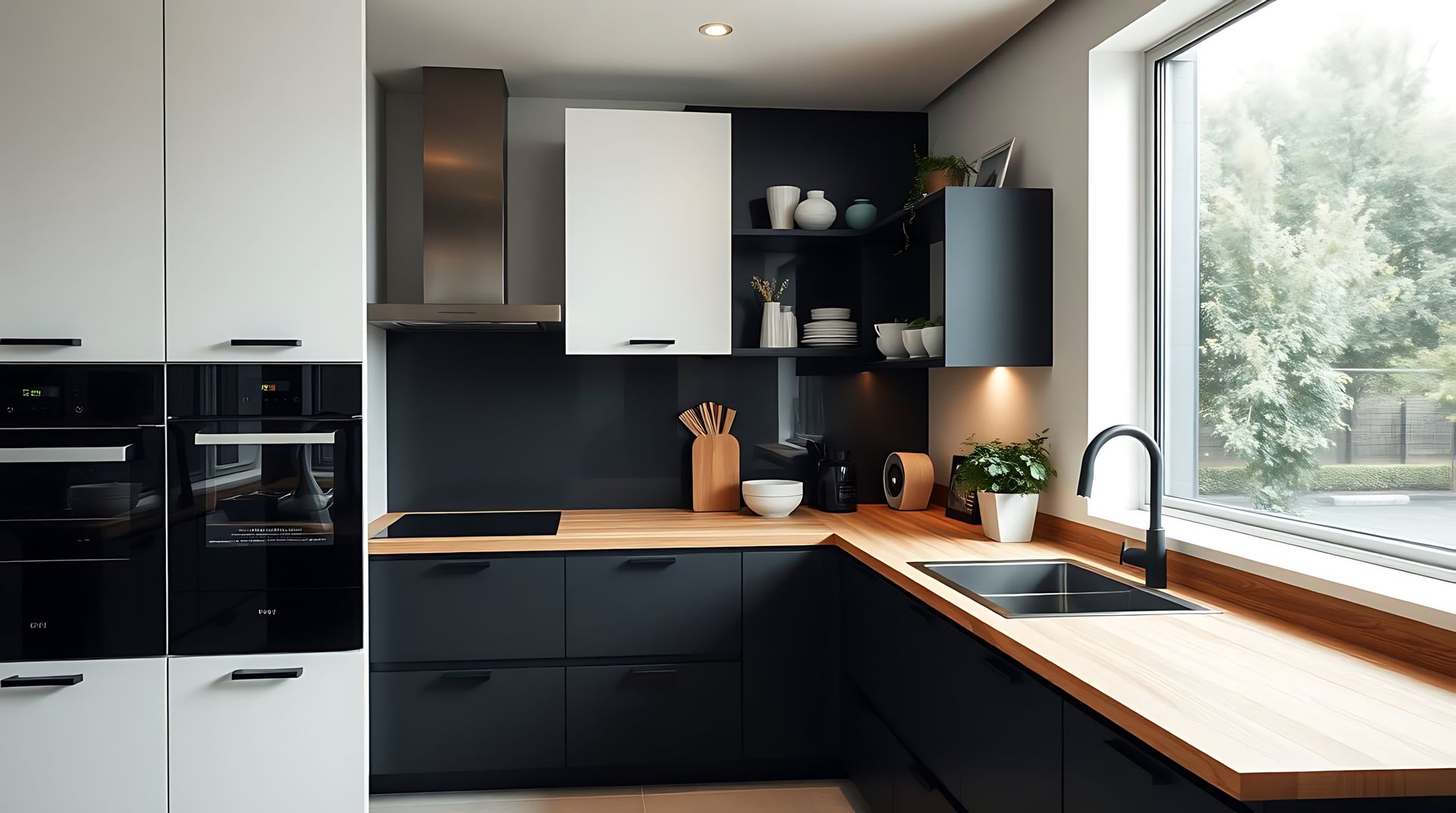
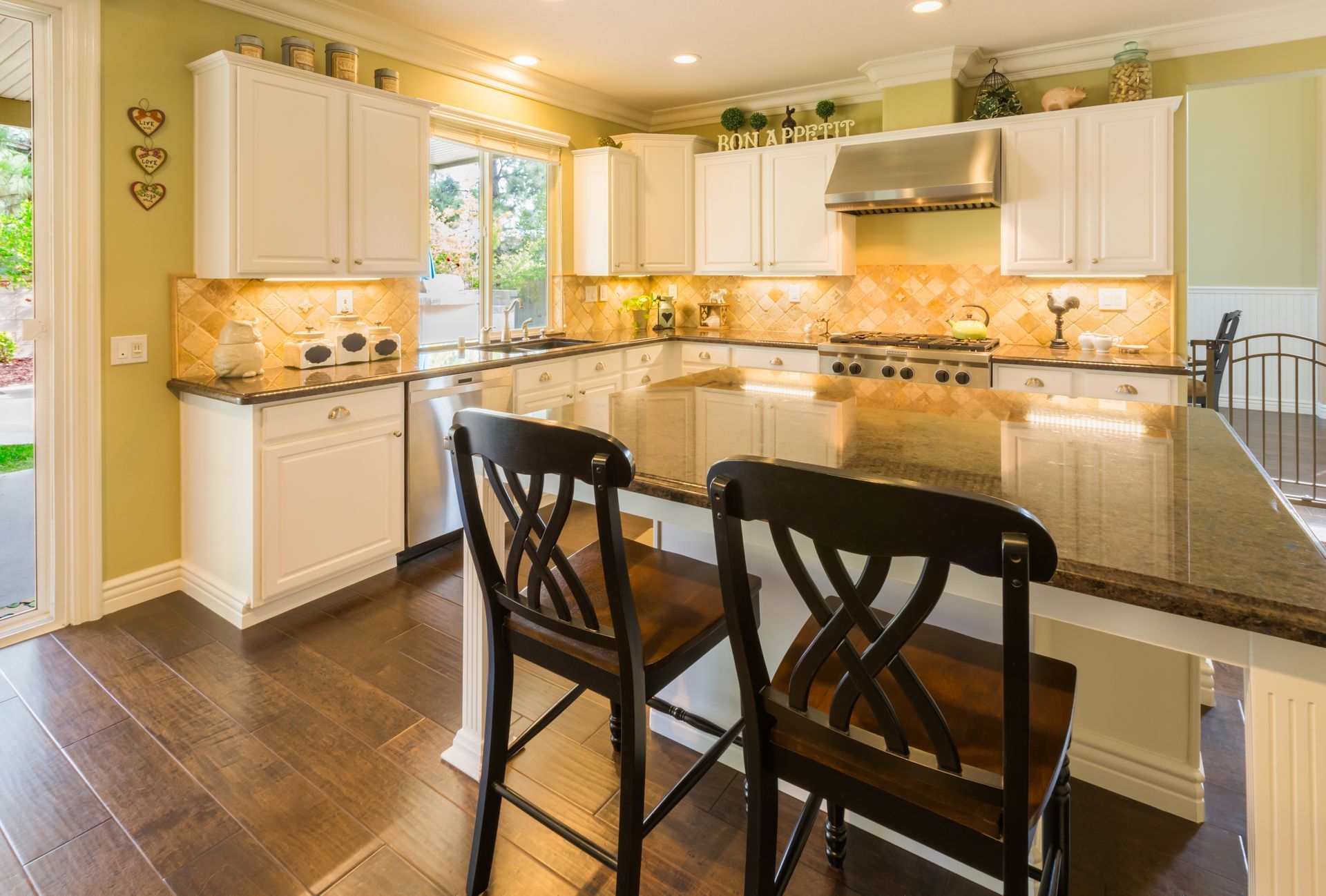
That efficiency gain matters most during Sacramento's long, hot stretches, when an underinsulated attic forces an HVAC system to work overtime. A well-planned kitchen or bathroom remodel is also a natural opportunity to upgrade insulation behind walls and ceilings, since these spaces are already opened up during construction.
A Home Ready for Every Season
When materials and insulation match the local climate, daily life inside the home changes noticeably. Rooms hold a steadier temperature instead of swinging between stuffy afternoons and chilly mornings. Energy bills settle into a more predictable range instead of spiking every July and January. Wood trim, siding, and window frames keep their shape and finish for years longer, since they are no longer fighting conditions they were never built to handle. Families spend less time worrying about hidden moisture or heat damage and more time simply enjoying their space.
Over the long run, this kind of climate-aware planning protects the investment itself. A renovation built around Sacramento's heat or the Bay Area's moisture holds its value and its appearance well beyond the first few years. It becomes a home that feels comfortable in every season, not just the mild ones, and that consistency is exactly what most homeowners are hoping for when they start a renovation project in the first place.
Your Next Step Toward a Resilient Home
Every home in Sacramento and the Bay Area faces its own mix of heat, moisture, and daily temperature swings. If you're planning a renovation and want materials and insulation chosen with your specific climate in mind, our team at Vostok Construction is happy to talk through the details with you.
Get your free estimate today.